Selling a house in poor condition: compare your options
A property needing major work can feel difficult to move on from. Start with the condition, the time you have and the costs of each route. You can ask us about a direct offer before taking on a renovation.
On this page
- Can a house in poor or uninhabitable condition be sold?
- What if the house is unmortgageable?
- What matters most when assessing the condition?
- Repair first, market as it is, auction or sell directly?
- What if the council has identified a hazard?
- What must you tell a buyer?
- Check the costs and the buyer before deciding
- Tell us what you need the sale to achieve
Can a house in poor or uninhabitable condition be sold?
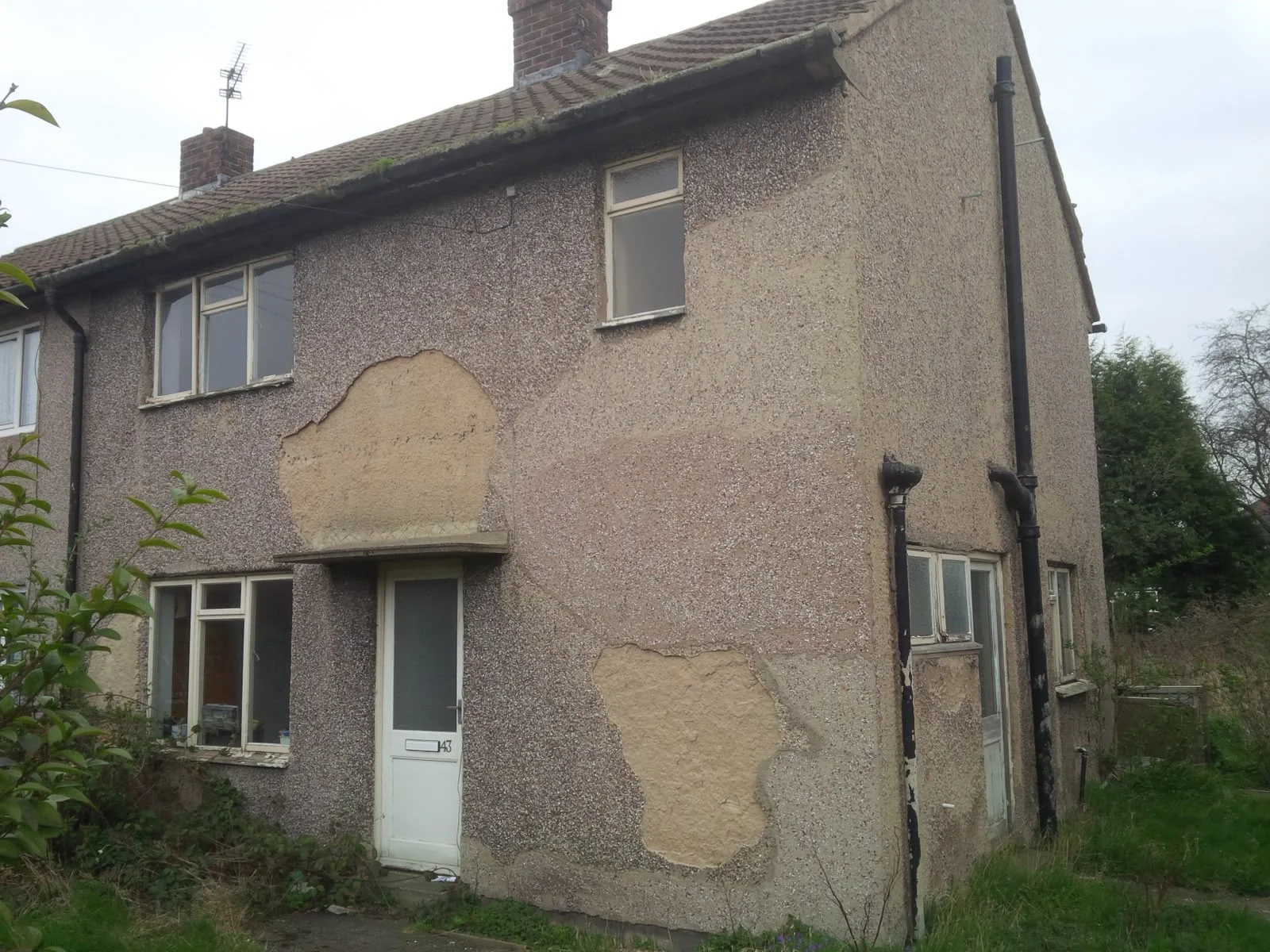
Its condition does not by itself tell you whether a sale is possible, who would buy or what they would pay. Missing facilities, serious damage, unsafe access, construction type and legal restrictions need individual assessment. A direct buyer may consider a property that would be difficult to market to someone relying on a mortgage, but a cash offer is still subject to checks.
Tell us what you know about the house and any notices, surveys or insurance claims. We assess the property as it stands and explain what further information we need. We do not assume that every home described as “poor condition” has the same problems or value.
What if the house is unmortgageable?
A house may be described as unmortgageable when a lender will not accept it as security for a mortgage. Its condition, construction or a legal issue may be the reason. This can limit the buyers who can proceed using mortgage funding, but it does not mean the same problem applies to every house described that way.
Gather any written reasons from the lender, existing surveys, notices and relevant legal documents. Explain which issues have been confirmed and which still need investigation. You do not need to diagnose a defect yourself. RICS explains how to choose an appropriate home survey; ask a qualified professional what inspection is needed for this property.
Cash funding removes the need for that buyer's mortgage approval. It does not remove title, safety or legal checks, or guarantee that a buyer will proceed. Ask what remains to be checked and what the written offer depends on. The government's guide to offers and negotiations explains the role of enquiries and exchange in England and Wales. Your solicitor can advise on the documents and legal issues affecting your sale.
What matters most when assessing the condition?
- Structure and weather protection: movement, roof damage, rot, leaks or areas that cannot be safely accessed.
- Facilities and services: the kitchen, bathroom, heating, water, drainage and electrical installation.
- Known history: fire, flooding, subsidence, contamination, previous repairs or ongoing claims.
- Construction and permissions: unusual materials, alterations and any relevant certificates or approvals.
- Occupation and restrictions: whether anyone lives there, whether a tenancy exists and whether a legal notice affects use.
An expert inspection may be needed to understand a defect. RICS explains the different home surveys. Ask a suitably qualified professional which assessment fits the property, rather than relying on photographs or a generic online repair estimate.
Repair first, market as it is, auction or sell directly?
Repair before selling
This may make sense if you have the funds, time and capacity to manage the work. Compare realistic written quotes with evidence of what the property might achieve afterwards. Include professional fees, permissions, finance, insurance, holding costs and a contingency. Spending on a refurbishment does not guarantee you will recover the cost in the sale price.
Sell on the open market in its current condition
Ask an agent about the likely buyer pool and how to present the known issues accurately. Some buyers actively look for renovation projects. The outcome depends on price, condition, buyer funding and the legal position, so discuss how the agent would check buyers and handle survey concerns.
Consider auction
Auction may attract buyers prepared to assess a project, but reserve, fees, legal terms and bidding interest still matter. An unsold lot or a conditional reservation is not a completed sale. Compare the traditional and modern auction routes before instructing.
Ask for a direct cash offer
A direct offer gives you another route to consider without arranging public viewings or first completing a renovation. Ask what the offer depends on and what could change after inspection or legal checks. You are under no obligation to accept.
What if the council has identified a hazard?
A notice or hazard assessment needs to be read on its own terms. Under the official HHSRS framework, councils must take appropriate action for Category 1 hazards and have powers for Category 2 hazards. A category label is not a substitute for checking the notice, the required work and any restriction on occupation. Show the documents to your solicitor and the proposed buyer.
Do not enter unsafe areas, remove supports or attempt repairs simply to obtain photos for an enquiry. Explain access limitations before a viewing or inspection is arranged.
What must you tell a buyer?
Give accurate answers based on what you know and discuss uncertain points with your solicitor. A cash purchase does not make property questions or legal checks disappear. The Law Society’s current property information guidance is a useful starting point; your solicitor should advise which forms, disclosures and documents apply.
Gather existing surveys, repair guarantees, notices, planning or building control paperwork and relevant insurance correspondence. You do not need to diagnose a structural problem yourself. Be clear about what has been confirmed and what has only been suspected.
Check the costs and the buyer before deciding
Ask who would purchase the house, how the purchase is funded and whether another buyer needs to be found. Have your solicitor check any fees, option or exclusivity agreement, the circumstances in which a price may change and what happens if the sale does not complete. A high headline figure alone does not establish the best route.
There is no charge to ask us for an offer and no obligation to accept. We charge no estate agent fees and can cover legal fees if you use our panel solicitor. You can choose your own solicitor and pay their fees instead. Mortgage repayment, other charges and applicable tax remain part of your proceeds calculation.
If the property is empty, confirm the actual bill with the council. Council Tax premiums, exceptions and repair related arrangements depend on the circumstances; do not assume a house needing work is automatically exempt.
Tell us what you need the sale to achieve
The most useful starting details are the postcode, known condition, whether the property is occupied, who can authorise the sale and any real deadline. We can explain whether a direct purchase appears suitable and what remains to be checked. If you have more time and price is the main priority, compare other written proposals too.
For less extensive work, see selling a house that needs repairs. If a previous buyer withdrew because of a survey, see what to do after a sale falls through.