Selling a house that needs repairs: should you do the work first?
An outdated kitchen, a leaking roof or a list of unfinished jobs does not mean you must renovate before exploring a sale. Compare the work, cost and time involved with offers for the house in its current condition.
On this page
Can you sell without completing the repairs?
You can ask us about a direct purchase before doing the work. Describe the property honestly, including anything a previous survey or contractor identified. We consider the condition and the likely work as part of the assessment, then explain the proposed price and conditions.
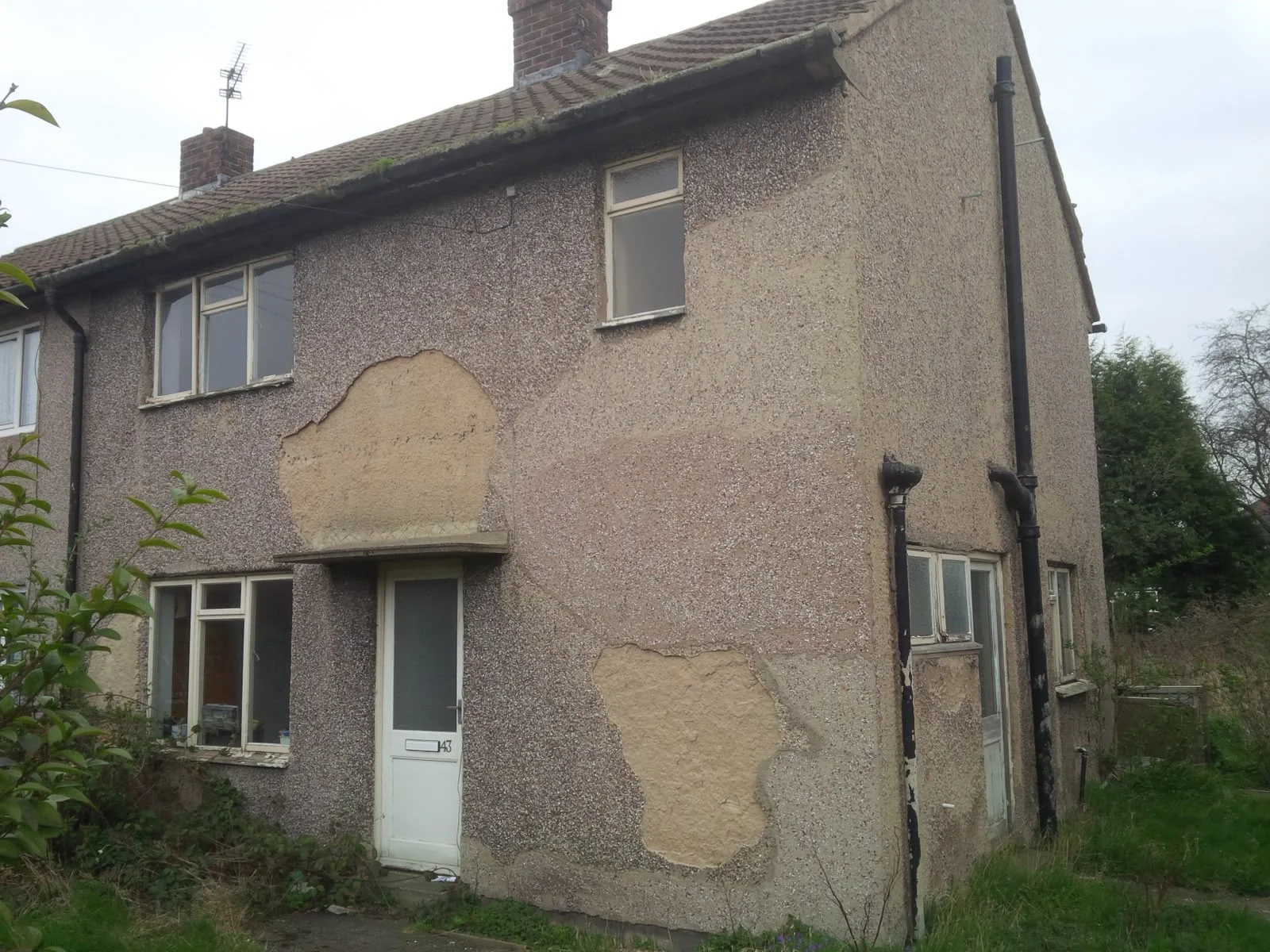
The repairs may affect which other buyers are interested and how they fund a purchase. Cosmetic updating, routine maintenance and a serious structural defect are different questions. Do not assume a house is either mortgageable or unmortgageable without an appropriate assessment of the property and the lender’s requirements.
How do you decide whether repairs are worth doing?
Start with two realistic comparisons: what the house could achieve as it stands, and what it might achieve after a defined set of works. Obtain written quotes rather than treating an online estimate as a budget. Consider:
- What the work includes, exclusions and any further investigations needed.
- Professional fees, permissions, materials and a contingency.
- How long the work may take and who will manage it.
- Mortgage payments, utilities, security and insurance during that period.
- Whether you can afford an overrun or a later sale than planned.
There is no fixed percentage that makes a refurbishment worthwhile for every home. An agent’s likely sale price range, a surveyor’s advice and properly scoped contractor quotes give you a better basis for the decision.
What if you are unsure how serious the problem is?
Use qualified advice where a defect is unclear, especially for movement, persistent damp, roof or drainage problems and non standard construction. RICS explains the different home surveys. Ask an appropriately qualified professional which assessment fits the property. A report may recommend further investigation.
If you already have a survey, share the relevant findings through an agreed secure route. We may still need our own checks. A previous report can help explain the issue, but does not guarantee that another buyer or solicitor can rely on it.
If an area is unsafe, explain that before arranging access. Do not enter a damaged building or attempt hazardous work to prepare an enquiry.
Compare the main ways to sell
Repair and then market
This may broaden the audience if the work is well chosen and completed properly. It also commits your money and time before you know the final sale outcome. Keep records, approvals and guarantees for the buyer.
Market as a renovation project
An agent may find buyers willing to take on the work. Ask how the condition will be explained, how the asking price is supported and how buyer funding will be checked. Budget for the possibility of survey questions or renegotiation.
Auction
Auction can expose a project to interested bidders, subject to the reserve and legal terms. Read the fee agreement and legal pack requirements. Traditional and modern auctions create different commitments; see our auction comparison guide.
Direct cash purchase
A direct offer can remove the need to undertake a renovation before selling and avoids an onward buying chain. The offer, inspection requirements and remaining legal checks should be clear in writing. Ask about any condition you do not understand before deciding.
What paperwork and disclosures matter?
Known problems still need to be discussed when the buyer is paying cash. Ask your solicitor how to answer property enquiries and disclose what you know accurately. Refer to the current Law Society guidance, rather than relying on old form section numbers.
Useful documents may include surveys, contractor reports, certificates, planning and building control records, insurance claims and notices. For unusual construction, share any information about the system and previous repairs. The buyer and their advisers will assess the evidence; no one certificate is a universal answer for every property or lender.
What would an offer from us depend on?
We consider the property’s type, condition, location, tenure, occupancy and the information available. Let us know whether you own it directly or are acting for an estate or someone else, and whether there is a deadline. Your solicitor confirms authority and handles the legal work.
Ask us to explain what has been assessed and what could change the offer. Material information found during checks may affect the terms; a direct purchase should not be described as risk free. You can take time to compare the written proposal with other routes.
There is no charge to enquire and no obligation to accept. We charge no estate agent fees and can cover legal fees if you use our panel solicitor. You may use your own solicitor and pay their fees instead. Mortgage repayment, any other charges and applicable tax still affect what you receive.
If the damage is extensive or the home cannot safely be lived in, the poor condition property guide covers the questions to gather before discussing a sale.